


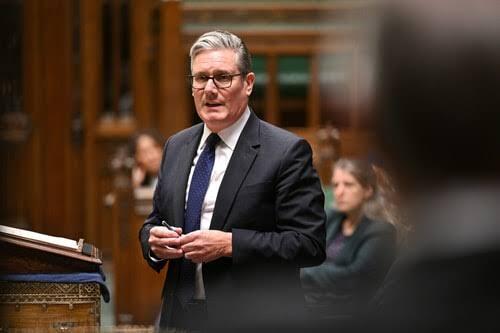
The resignation of Prime Minister Keir Starmer has created political uncertainty at a crucial time for adult social care reform in England.
While there is no indication that existing social care policies will change immediately, the leadership transition comes as the sector awaits major developments, including the Independent Commission into Adult Social Care, plans for a National Care Service and the introduction of a Fair Pay Agreement for care workers.
For adult social care providers, care managers and frontline professionals, the key question is whether the next Prime Minister will maintain the current direction of travel on social care reform or introduce new priorities.
Here is what the sector needs to know.
What Does Keir Starmer's Resignation Mean for Adult Social Care Reform?
Adult social care is at a pivotal point, with the sector awaiting recommendations from the Independent Commission into Adult Social Care, chaired by Baroness Louise Casey. The commission forms part of wider review for a National Care Service and is expected to report its first findings in 2026.
Its recommendations could shape the future of adult social care, influencing how services are funded, organised and integrated with health and community support systems
At this stage, there has been no announcement that the commission will be altered, delayed or abandoned. However, the commission reports directly to the Prime Minister, meaning the incoming leader will play an important role in determining how its recommendations are received and implemented.
What Happens to the Fair Pay Agreement for Care Workers?
The Fair Pay Agreement remains one of the most significant workforce reforms currently planned for the adult social care sector.
Designed to improve pay, terms and conditions for care workers, the policy aims to support recruitment and retention at a time when workforce pressures continue to be one of the biggest operational pressures facing services today.
As with the wider adult social care reform agenda, there is currently no indication that the Fair Pay Agreement process will change as a result of the Prime Minister's resignation. However, the transition to a new government leader places additional focus on how these plans will progress over the coming months and years.
Why Political Stability Matters to Adult Social Care
Adult social care reforms often take years to develop and implement. Unlike short-term policy announcements, changes to workforce structures, funding arrangements and system-wide reform require long-term political commitment.
This is particularly relevant given that the Casey Commission has been tasked with making recommendations that could shape the future of adult social care for many years to come.
For professionals working directly with people who draw on care and support, continuity and certainty are often just as important as new policy announcements. Providers and managers need confidence to plan services, invest in staff development and respond to changing demand within their communities.
While the political landscape may change in the coming weeks, many of the challenges facing adult social care remain unchanged.
Will Social Care Policy Change Under a New Prime Minister?
At this stage, there is no confirmation that adult social care policy will change as a result of Keir Starmer's resignation.
However, leadership changes can influence how quickly reforms are implemented and which issues receive the greatest political attention.
The incoming Prime Minister will ultimately help shape how recommendations from the Casey Commission are received and whether current plans for workforce reform and a National Care Service continue on their existing timetable.
For adult social care providers and managers, the coming months may therefore provide greater clarity on the future direction of social care policy, workforce reform and long-term sector funding.
What Happens Next?
In the short term, the sector is likely to focus on whether the incoming Prime Minister maintains the current direction of travel on adult social care reform.
For now, there is little immediate change for care services themselves. However, the leadership transition represents an important moment for a sector that has spent many years calling for long-term reform, greater workforce support and increased certainty.
As further announcements are made, adult social care professionals should watch closely for updates on social care reform, workforce policy, funding commitments and the future of the National Care Service.
To stay informed about adult social care reform, workforce policy, funding developments and best practice across the sector, professionals can continue the conversation at upcoming industry events.
These events provide opportunities to hear from policymakers, sector leaders and care experts, while connecting with peers facing similar challenges across adult social care.
For the latest event updates, sector news and opportunities to explore the future of adult social care, visit our website and or join our mailing list to stay tuned for further developments.